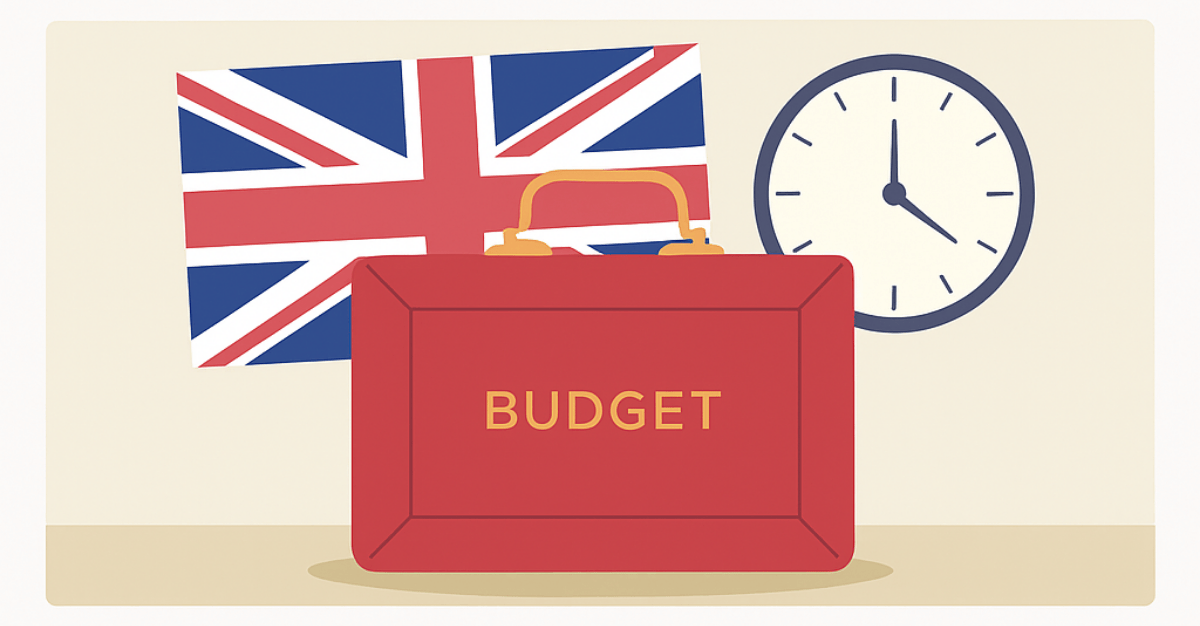
Autumn Budget 2025: What UK Households and Businesses Need to Know
On Wednesday 26 November 2025, the government delivered its Autumn Budget — a major fiscal update that sets out tax rates, public spending plans, and economic forecasts for the year ahead. If you are a taxpayer, renter, homeowner, saver, business owner or employee, parts of the Budget will affect you directly.
When and How the Budget Was Announced
The Budget speech started around 12:30 pm, immediately after Prime Minister’s Questions in the House of Commons. As soon as the Chancellor sat down, full Budget documents were published online for public access.
Key Announcements at a Glance
The 2025 Budget touched on many areas: taxation, benefits, property, savings, business support and public services. The aim is to balance economic recovery, support for families and fairness across society — while addressing the challenge of public finances.
- Income tax and National Insurance thresholds remain frozen, raising additional government revenue.
- New property and wealth-related taxes, including a levy on high-value homes and higher charges for luxury real estate owners.
- Savings and investment rules updated: cash ISA annual allowance reduced — a push to encourage investments over traditional savings.
- Changes to pension tax relief and salary-sacrifice schemes, affecting retirees and employees alike.
- Support for businesses: tax incentives and reforms aimed at boosting investment, particularly for smaller firms and sectors like hospitality and retail.
- Funding commitments to public services: health, education, infrastructure and social support receiving renewed investment, while balancing fiscal responsibility.
What It Means for You
For working people and regular families, frozen tax thresholds may feel like a stealth tax over time. Savings habits may shift, as lower ISA allowances reduce returns unless people consider alternative investments. Homeowners — especially those with high-value properties — may face steeper costs. Businesses, especially smaller ones, may find the new incentives helpful — but still face uncertainty until full legislation passes.
Why It Matters Now
The UK enters this Budget with fragile growth, rising inflation and debt pressures. The government aims to restore fiscal stability without halting growth or deepening economic hardship. The choices made now affect debt, public services, interest rates and the social safety net for years.
Looking Ahead
The Budget sets a direction — but actual changes will roll out gradually. Some take effect immediately; others only when Parliament passes the new laws. For individuals and businesses alike, staying informed and flexible will be crucial.