OBR Cyber Leak: How A Botched Budget Release Shook Trust In The UK Fiscal Watchdog
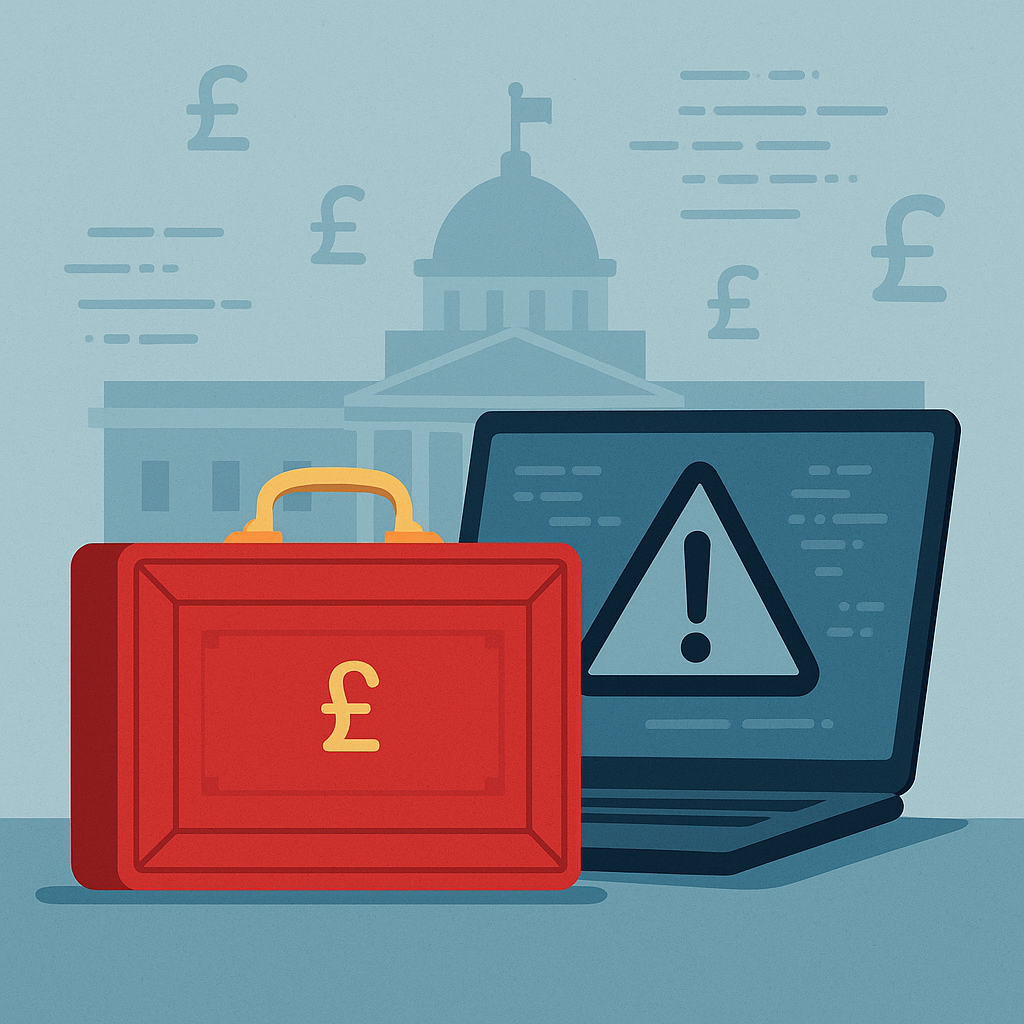
The moments before a UK Budget are usually tightly controlled. Markets wait, journalists wait, households and businesses wait. On 26 November 2025, that control cracked. The Office for Budget Responsibility, the independent body that checks the government’s sums, accidentally pushed its core Budget analysis live online before the Chancellor stood up to speak.
What should have been a quiet build up to the Budget speech turned into a scramble. Traders found the link, news wires picked it up, and details of the tax and spending plans were circulating before Rachel Reeves opened her red box in the House of Commons.
What Actually Happened In The Budget Leak
The OBR prepares a document called the Economic and Fiscal Outlook. It contains forecasts for growth, debt, borrowing, tax receipts and the impact of the Budget measures. This document is market sensitive and is supposed to be released only once the Chancellor has finished the Budget speech.
Instead, the full report appeared on the OBR website through a direct public link. The page was not linked from the home page, but the address followed the same pattern as previous reports. That meant journalists and market watchers could guess the link and reach the file early. For around forty minutes, anyone who had that address could see the numbers that were meant to stay secret until the speech.
Inside the leaked document were details such as a new pay per mile charge on electric vehicles, a three year freeze in tax thresholds and changes to duty on gambling firms. Markets moved, and the carefully planned reveal of the Budget was thrown off balance.
Why A Cyber Expert Has Been Called In
After the leak, the OBR described the event as a technical error. That phrase sounds simple, but the consequences were serious enough that the watchdog has now called in Professor Ciaran Martin, the former head of the National Cyber Security Centre.
His role is to advise an internal investigation and to examine how a sensitive report ended up exposed through a guessable link. The review is expected to look at:
- How documents are prepared, stored and tested before publication
- Who has access to pre release files and under what controls
- How the website handles staging pages and hidden links
- What checks are run before content is made public
This is less about a classic hacking case and more about digital hygiene. The leak appears to have come from poor internal process and weak controls, not from an outside attack. That difference matters, but the damage to trust can still be significant.
Richard Hughes Under Pressure
Richard Hughes, the chair of the OBR, has apologised repeatedly. He described himself as mortified and accepted that the error caused deep disruption on what should have been one of the most important days in the fiscal calendar.
He has told Parliament that he is willing to resign if the Chancellor or the Treasury Committee lose confidence in him. For now, Rachel Reeves has said she still has confidence in his leadership while the investigation runs. That support may hold if the review shows that the failure was a one off process error that can be fixed.
Why This Matters For Markets And The Public
Pre release access to Budget numbers matters because it can move prices in real time. When traders saw the OBR analysis early, government bond prices shifted and the pound reacted. Even short lived moves can have real world consequences for borrowing costs and for the perception of UK stability.
For the public, the episode cuts at something more basic. The OBR is supposed to be the calm, careful referee of the Budget. When that referee leaks the score before the match has started, people begin to ask if other parts of the system are as fragile as this one was.
Digital Risk And Public Sector Governance
The leak is a reminder that digital risk is not only about hostile hackers or complex cyber attacks. Many incidents happen because of simple mistakes, weak processes or poor separation between test and live systems.
In this case, the document was published under a real public address even though it was meant to stay hidden until a set time. That suggests that controls over content staging and release were not strong enough, and that the organisation relied on secrecy of the address rather than proper access control.
For other public bodies, the message is clear. Sensitive content needs more than a hidden link. It needs clear governance, strict permissions, system enforced release times and regular review by security teams who treat publishing workflows as part of cyber risk, not separate from it.
What Might Change At The OBR
Beyond the technical investigation, there are early signs that the relationship between the Treasury and the OBR will change. The government has already said that the watchdog will now produce one main analysis each year rather than multiple full forecasts. That move reduces the number of high stakes publication moments and may be intended to lower operational risk as well.
Internally, the OBR is likely to:
- Revise its web publishing process so reports only go live at a fixed release time
- Introduce extra sign off steps for any market sensitive document
- Increase the role of security specialists in day to day operations, not only in emergencies
- Run regular drills for Budget day in the same way that banks rehearse market opening routines
Lessons For Boards And Digital Teams
This story carries lessons far beyond Whitehall. Any organisation that publishes price sensitive or reputation sensitive material needs to treat its content pipeline as a critical system.
Senior leaders should ask simple questions. Could someone guess a link to a confidential report. Are test sites properly separated from live ones. Who can upload, schedule and publish content on the main website, and how are those actions logged and reviewed.
The OBR leak shows that even a respected institution can fall short if day to day digital practice does not match the sensitivity of the information it holds.
Trust Is Hard Won And Easily Lost
The OBR was created to give the public and markets an independent view of the public finances. That work depends on trust. The numbers must be seen as honest, and the machinery that delivers them must be seen as careful and secure.
A single botched release will not end that trust on its own, but it has already placed the watchdog under intense scrutiny. The coming months will show whether the combination of a cyber focused investigation, stronger processes and transparent reporting can repair the damage.
For now, the lesson from this Budget week is simple. In a digital age, even a link in the wrong place can shake the foundations of confidence in the institutions that manage the economy.